
Ways we are supporting safer care for non-communicable diseases
World Patient Safety Day is celebrated annually on 17 September. It aims to raise public awareness about the importance of patient safety and how we can reduce avoidable harm in healthcare.
In 2026, the campaign focuses on safe care for non-communicable diseases, encouraging communities, health practitioners, organisational leaders and policymakers to work together to develop solutions that address patient safety challenges and reduce harm for people living with long-term conditions.
People living with non-communicable diseases, such as heart disease, stroke, cancer, diabetes and respiratory conditions, often require ongoing care across multiple settings over long periods of time and across the life course. This can create multiple points at which safety risks may arise, from prevention and diagnosis through to treatment, long-term management and self-care.
The six NIHR Patient Safety Research Collaborations (PSRCs) are committed to improving patient safety and addressing health inequalities, including tackling challenges faced by patients with non-communicable diseases. Across the range of research projects being undertaken by the six NIHR PSRCs in England, there are many different ways that researchers are supporting safer care for people living with long-term conditions, from cancer and cardiovascular disease to respiratory conditions and kidney disease.
Explore some of the NIHR PSRC research helping to improve patient safety and health outcomes for people living with non-communicable diseases.

Using personalised text messages to help people take statins
NIHR PSRC: North West London

Cardiovascular diseases are some of the leading causes of death in the UK, accounting for around 170,000 deaths each year.
Statins are tablets taken daily to lower cholesterol and help prevent heart attacks and strokes. Around eight million people in the UK are prescribed statins, but many do not take them as prescribed.
Javiera Rosenberg, a PhD student at the NIHR PSRC: North West London is exploring the barriers that prevent people from taking statins and how we can better support patients to take their medication as advised.
Javi worked with patients and healthcare professionals to develop a set of 50 text messages designed to address the barriers each person faces in taking their medicines. Participants told us messages were clear and that taking part was exactly what they hoped for, it took little effort and gave them confidence and reassurance about taking statins.
The next step is to determine whether the intervention improves medication adherence. If it does, it could prevent heart attacks and strokes and save lives.
Improving urgent respiratory care in the community
NIHR PSRC: Midlands

The NHS 10 Year Plan places a clear emphasis on shifting appropriate care from hospital into community settings, but this only improves safety if patients can reach the right service at the right time. When people become suddenly unwell with a chest infection, worsening breathlessness, asthma or COPD, they may need more support than a routine GP appointment can provide, but they may not always need to go to hospital.
Acute Respiratory Infection (ARI) Hubs were introduced to help fill this gap by providing specialist respiratory assessment and treatment in the community.
Researchers at the NIHR PSRC: Midlands are evaluating an ARI Hub in Birmingham, looking at its impact on patient outcomes, service delivery, workforce experience and health inequalities.
The evaluation combines several methods. Researchers have completed interviews with 26 local healthcare professionals working in or around the ARI Hub pathway, including consultants, clinical nurse specialists, GPs, physiotherapists and service or operational leads.
They are also analysing routine NHS data on emergency department attendances, hospital admissions, re-attendance, ambulance activity and Hub use. Health-economic work is examining resource use and costs, while patient and public contributors are helping us interpret issues around access, communication, safety and equity.
The findings will help generate evidence to support local service improvements and inform future respiratory care.
Making tracheostomy care safer for patients and families
NIHR PSRC: Yorkshire and Humber

People with complex healthcare needs, such as tracheostomies, are increasingly being cared for at home. While this can support independence and quality of life, tracheostomy care involves potentially life-saving tasks such as suctioning, cleaning and changing the tube, managing equipment, recognising when things are going wrong and responding to emergencies.
Patients and family carers may be expected to undertake these tasks after leaving hospital, often with limited access to immediate professional support.
The NIHR PSRC: Yorkshire and Humber is investigating how patients, family carers and healthcare professionals experience tracheostomy training, hospital discharge and ongoing care at home.
Researchers have interviewed 32 people, including individuals living with a tracheostomy, their family carers and healthcare professionals. Their experiences are helping to identify gaps in current support and establish principles for safer, more supportive tracheostomy care. The findings will inform the co-design of practical training and support resources to help patients and families manage tracheostomy care safely at home.
Improving cancer care for people with learning disabilities
NIHR PSRC: Greater Manchester
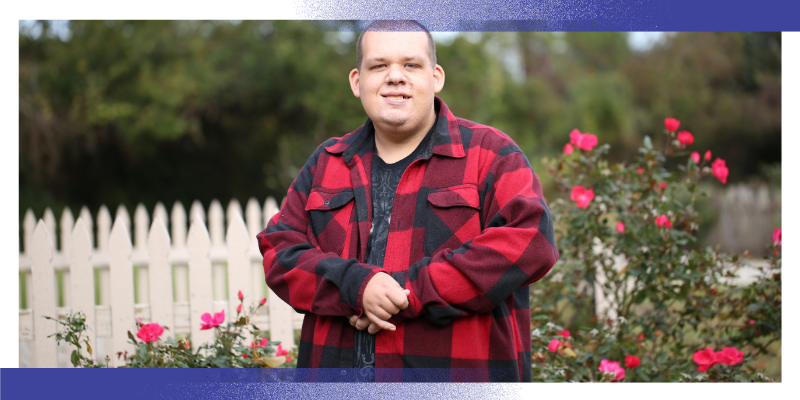
Cancer is one of the main non-communicable diseases and is the second leading cause of NCD-related deaths after cardiovascular diseases.
A large-scale study supported by the NIHR PSRC: Greater Manchester explored a critical patient safety issue: the inequalities people with learning disabilities face when accessing cancer care.
Researchers examined cancer care pathways across a range of cancers. The findings show that people with learning disabilities are less likely to be referred for specialist tests, more likely to be diagnosed at a later stage, and around half as likely to receive treatment, resulting in much shorter survival times.
The research highlights the urgent need for more inclusive and accessible healthcare systems, and the importance of ensuring everyone can receive timely, effective and safe cancer care.
Explore more:
Podcast: Unequal cancer care for people with a learning disability in the UK | Voices for Safety
Substandard bowel cancer care for people with learning disability highlighted
NIHR-funded study reveals inequalities in men with learning disabilities and prostate cancer
Study funded by the NIHR GM PSRC exposes cancer care deficit for patients with learning disabilities
Investigating financial impacts of emergency childhood fever on families
NIHR PSRC: Newcastle

Many children with non-communicable diseases may develop a fever and need emergency hospital assessment and treatment. Hospital visits can be associated with non-medical costs paid directly by families, such as transport, food, childcare or accommodation. For some families these unexpected costs could form barriers to care and result in adverse patient safety behaviours, such as later presentation of illness.
A PhD project from the NIHR PSRC: Newcastle, led by Abigail Collins, explored the financial impacts of emergency childhood fever on families. The research examined the non-medical costs families experienced and how these costs affected household finances.
Across all studies, this project found that families can face substantial non-medical costs and financial impacts when accessing emergency care for childhood fever. Transport and food were the most common costs across all studies. While some families could immediately pay incurred noon-medical costs without consequence, others faced greater financial impacts. These included needing to borrow money, work extra shifts, or use money intended for rent.
Findings suggest that measures such as reducing parking fees, providing food, increasing staff awareness of available support and strengthening community-based services could reduce the financial burden on families and improve access to care.
Making sure lung nodule patients do not get lost in the system
NIHR PSRC: Midlands

Small lung nodules turn up all the time on CT scans done for something else entirely, such as a suspected clot, a cardiac scan, or an abdominal scan that catches the lung. Most are harmless but between 3 and 5% turn out to be lung cancer, and the cancer is usually spotted on a follow-up scan rather than the first one. That makes the follow-up, not the detection, the step where an early diagnosis is often won or lost. In England, only 36.7% of lung cancers with a known stage were diagnosed at stage 1 or 2 in 2023, and ten-year survival sits around 10%.
Researchers at the NIHR PSRC: Midlands are investigating how patients with lung nodules are monitored and followed up after detection. The project includes reviews of existing evidence, studies of current NHS pathways, and the development of a tool to help identify and track patients requiring follow-up.
Early findings suggest that missed or delayed follow-up is common and that tracking systems may help improve adherence to follow-up recommendations. The research aims to support safer care and reduce the risk of patients being lost in the system.
Understanding emergency cancer diagnoses and improving patient safety
NIHR PSRC: Newcastle
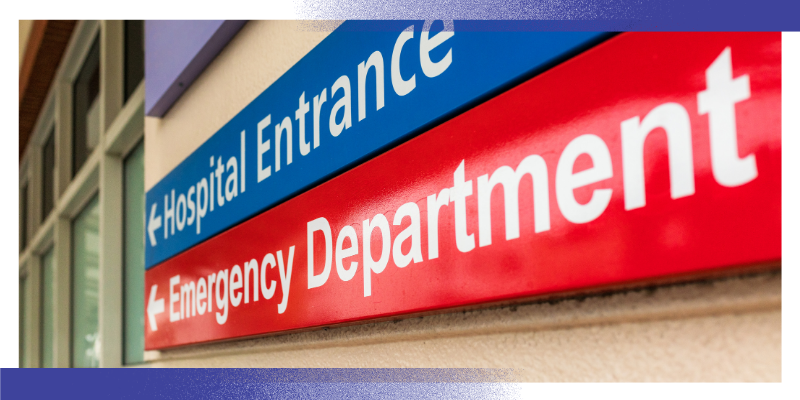
People diagnosed with cancer following an emergency hospital admission often have poorer outcomes than those diagnosed through other routes, even when their cancer is at the same stage. Emergency cancer admissions are also more common among people from more socially deprived groups, contributing to health inequalities.
The Care Pathways and the Emergency Presentation of Cancer (CaPE) study, supported by the NIHR PSRC: Newcastle, explored the treatment and management of patients diagnosed after presenting as emergencies with symptoms of lung or colorectal cancer. Researchers interviewed 25 healthcare professionals to better understand the challenges faced by these patients.
The study found that patients diagnosed through emergency admissions are often sicker and may have other long-term conditions, making treatment more difficult. Researchers also identified ways that healthcare systems and processes can add to these challenges, including delays in tests, limited access to specialist services and rushed environments for communicating diagnoses. The findings highlight opportunities to improve patient safety and care for people diagnosed with cancer through emergency admissions.
Related published papers:
Targeting acute kidney injury to improve patient safety
NIHR PSRC: Greater Manchester

Acute kidney injury (AKI) is a common condition in which the kidneys suddenly stop working properly, often as a complication of severe illness or major surgery. Even after leaving hospital, people who have experienced AKI remain at increased risk of serious health problems, including further kidney injury, chronic kidney disease and emergency hospital readmission.
Researchers supported by the NIHR PSRC: Greater Manchester analysed the healthcare records of more than 209,000 patients in England who had been discharged from hospital after an episode of AKI.
The study found major gaps in follow-up care after discharge, including low rates of AKI recording in primary care and missed opportunities for recommended kidney health tests. The findings highlight the need for better communication between hospital and community services to improve patient safety and long-term outcomes.
Read more: Major gaps in follow-up care after acute kidney injury, study finds
Improving cancer diagnosis through safer safety-netting in primary care
NIHR PSRC: Yorkshire and Humber

‘Safety-netting’ is used by healthcare professionals to monitor patients while they wait for diagnoses and to organise follow-up when needed. It may involve them asking patients to keep an eye on their symptoms and to come back if symptoms haven’t cleared up within a certain time. This is particularly important when there is uncertainty about diagnosis and potential for serious illness like cancer.
However, patients can sometimes forget or misunderstand what symptoms they should be watching for and when they should seek further help.
A feasibility study led by the NIHR PSRC: Yorkshire and Humber is testing a new approach to safety-netting for patients with non-specific symptoms that could indicate cancer, such as tiredness or unexplained weight loss.
The study is evaluating a co-designed tool that provides patients with a summary of their safety-netting plan, including which symptoms to monitor, how long to monitor them for, and when to return to their GP practice. Findings will help inform a larger study to determine whether this approach can support earlier diagnosis and safer care across England.
Published papers:
Improving patient safety for people with multiple long-term conditions during heatwaves
NIHR PSRC: Newcastle

People with multiple long-term conditions, such as combinations of diabetes, cardiovascular disease and chronic respiratory illnesses, make up a growing proportion of the population. They already experience poorer health outcomes, including lower quality of life, more ‘treatment burden’, premature death and more emergency hospital admissions.
Heatwaves are becoming more common and more severe, and there are clear health impacts during heatwaves on individual living with long-term conditions. Poor health outcomes emerge from interactions between temperature exposure, health condition combinations, built environment factors (e.g. housing quality, green space, urban heat island effects, transport usage), and the capacity of the healthcare system.
A project funded by the NIHR PSRC: Newcastle is investigating the factors that shape unequal health outcomes during heatwaves, before any hospital treatment is administered.
Early findings suggest that factors such as housing, the built environment, local population health and economic conditions can influence heat-health risks. The research will help build evidence on the impact of climate change and support future improvements in patient safety for people with multiple long-term conditions.
This work was funded by the NIHR PSRC: Newcastle Pre-application Support Fund and has resulted in further onward funding from the NIHR Three Schools Prevention Programme and the NIHR Applied Research Collaboration North East and North Cumbria.
Related
[related-posts-thumbnails]



PSRC network
NIHR PSRC: Central London
NIHR PSRC: Greater Manchester
NIHR PSRC: Midlands
NIHR PSRC: Newcastle
NIHR PSRC: North West London
NIHR PSRC: Yorkshire & Humber
Copyright © NIHR PSRC Network. All rights reserved.
Site hosted by The University of Manchester.
0 Comments